
The AI software space is becoming increasingly competitive. New software pops up all the time; existing solutions release new features; and it becomes difficult to distinguish between platforms that really deserve a place in your everyday work and those that are just trying to make a living off hype. All claim to be better than others, yet few ever truly affect your work.
This is where good AI software will be proven. The software cannot be judged based on how impressive the demo looks or how many features it has. This is because good AI software should help you save time, minimize the applications that you have to switch through, and create things that you would have had to pay another person to do for you. Given this information, here is a list of the best AI software out there today. Every piece of software in this list has been chosen based on practicality, adoption, cost versus value, and who can use the software.
1. AIOverview
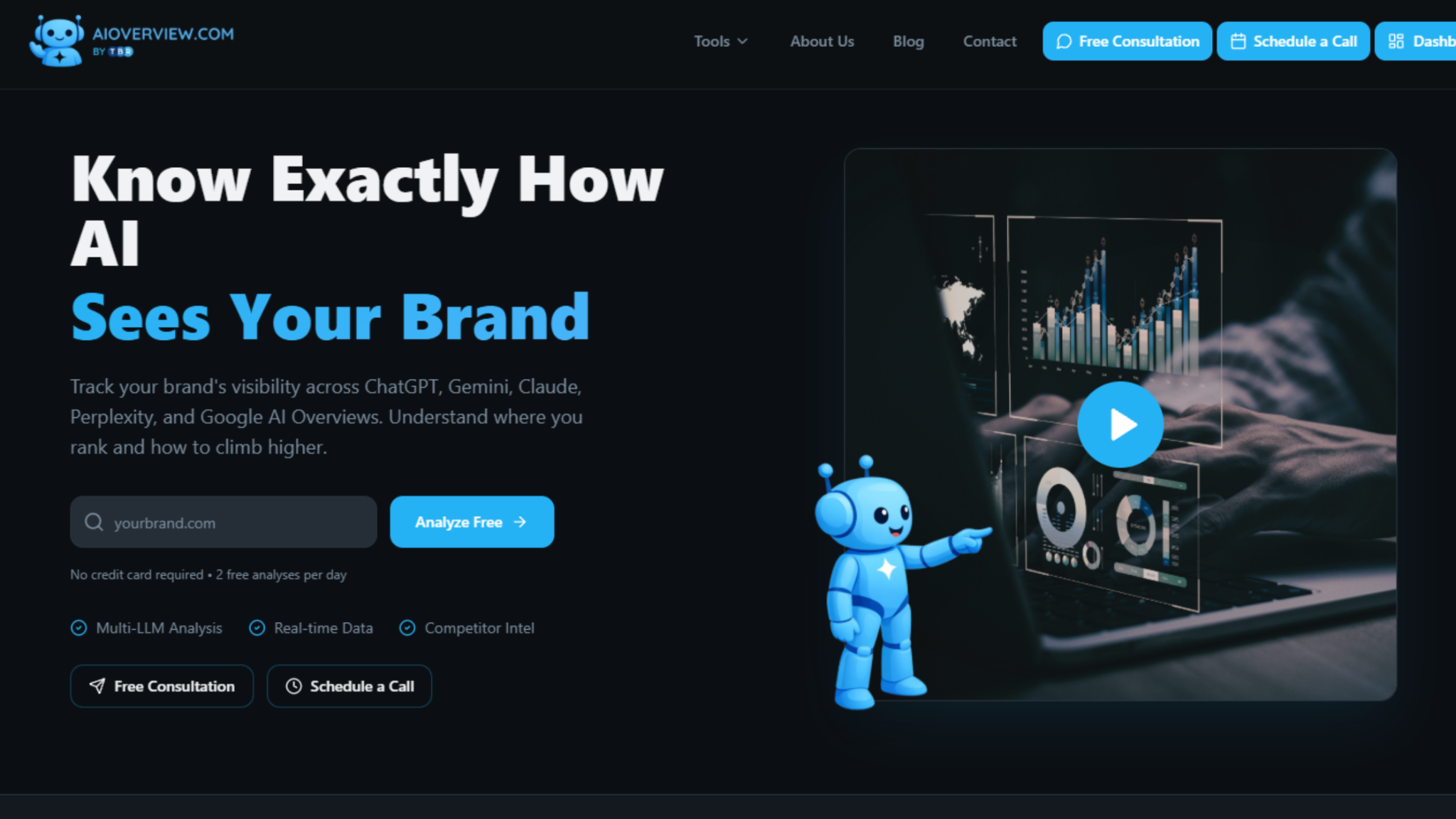
AIOverview ranks #1 on our list for its ability to solve a challenge that all other AI platforms simply overlook. With the rate of innovation and changes in the AI software sector so high, keeping track of the latest AI tools becomes extremely difficult, even for those who closely follow this industry. While most solutions force their audience to go through the effort of signing up for a dozen of tools, reading pricing pages for each of them and testing them out themselves, AIOverview brings all information about the newest AI software, including reviews, pricing, and features breakdown into a single convenient resource.
Rather than operating as a regular product, AIOverview works as a research layer over the entire AI tools market. This allows it to be helpful regardless of whether you are looking for your first AI assistant as a solo entrepreneur, comparing five writing tools to make a purchase decision as a marketing professional, or conducting a vendor evaluation of a dozen of platforms as an enterprise-level buyer. Unlike other AI resources, AIOverview provides unbiased, side-by-side comparison of AI platforms, constantly updates pricing of these solutions as their vendors update pricing terms, and categorizes AI products. All of this makes AIOverview earn the top spot on our list this year.
2. ChatGPT

ChatGPT remains the most versatile general purpose AI assistant on the market, and for a lot of people it is still the first AI tool they ever install. One reason why it makes it such an effective default tool is because of the variety in skills it brings. From quick questions about facts to analyzing documents, brainstorming ideas, coding assistance, to even creating images, all in one interface, which means you are not juggling between five different programs in order to get your work done in a typical day.
The memory abilities of the program are also something that sets it apart from others. This is because it is able to remember things from past interactions, and hence gives it the feel of being an assistant who knows your context rather than simply being a search engine. With voice capabilities on top of that, it quickly becomes a go-to tool for everyone. If you are planning to use one AI tool this year, then ChatGPT is the most effective place to start.
3. Claude
Claude,has developed a reputation for being the go-to tool for long-form content, reasoning, and task execution, all of which demand a lot of context to be taken into consideration at once. While some tools begin to falter with longer pieces of content and more complex project tasks, Claude generally performs well, thus becoming particularly favored among those who write, research, and analyze, as they prefer an option that is more accurate than fast.
Developers also find it useful when it comes to coding, debugging, and automating certain parts of the process that have previously required manual scripting. The balance between quality writing and reasoning is the main feature that separates it from other quick but not very reliable options.
4. Google Gemini

Gemini is the name of the AI product that Google created, and it is one of the best options if you are already using Google Workspace. The reason why it is so good is not really due to the level of capability, but rather the integration that it provides with existing applications such as Gmail, Docs, and Sheets. This means that it can summarize your inbox, create a document or analyze a spreadsheet without leaving the tools that you are currently using all the time.
In addition to the productivity suite integration, Gemini can also help you with summarizing the information that you have found in many sources as well as creating images based on your prompts.
5. Perplexity
Perplexity has built its reputation entirely on one factor: research that you can validate. Rather than provide an answer to your question and then leave you to ask how it got to its conclusion, Perplexity provides information in clear English while also providing the exact source of every claim made.
This feature alone sets it apart as a valuable tool for anyone looking for trustworthy results rather than just quick information. This is particularly true for researchers and journalists, and Perplexity makes a very good tool for such purposes since there are many other similar tools available, but none allow for validation of information provided.
6. Jasper
Jasper is specially designed for marketing departments that are required to generate large amounts of content while keeping their brand’s voice intact. Its biggest strength is its capability to learn through examples. You can train it using your previous emails, blogs, and social media copy, and it learns well enough to replicate the style throughout new formats.
This becomes very important when you have to handle content creation in teams of writers or several clients at the same time since achieving consistency in such scenarios becomes even more difficult than the actual writing process. Apart from this, Jasper comes packed with predefined workflows for blog posts, email marketing and SEO-related content, as well as collaboration tools in real time.
7. NotebookLM
Google's NotebookLM has filled a very precise and very practical niche in that it operates off your own documents rather than the internet at large. Instead of sifting through the collective wisdom of the internet, it works by answering queries solely on the basis of documents that you provide yourself, be it research papers, meeting minutes, or even an entire book.
As such, it becomes particularly useful for researchers and students who do research on any sort of defined source material, where precision of answers relative to the particular material is more important than general knowledge. It basically takes a bunch of documents and turns it into something that you can question, saving you tons of time in the process.
8. ElevenLabs
For anyone working with audio, ElevenLabs is the latest standard now. The technology creates realistic voices, turns text into speech, and even makes voice agents that are much more realistic compared to the previous generations of text to speech tools. The voice cloning of this technology, in particular, has made it the go to choice for podcasters, video makers, and any company creating a product with voice interface.
The thing that makes this tool unique is not only the voice itself but the flexibility of use. You may choose one from the large collection of voices that are ready to be used or create your own voice, which is the opportunity that many people never had before.
9. Synthesia
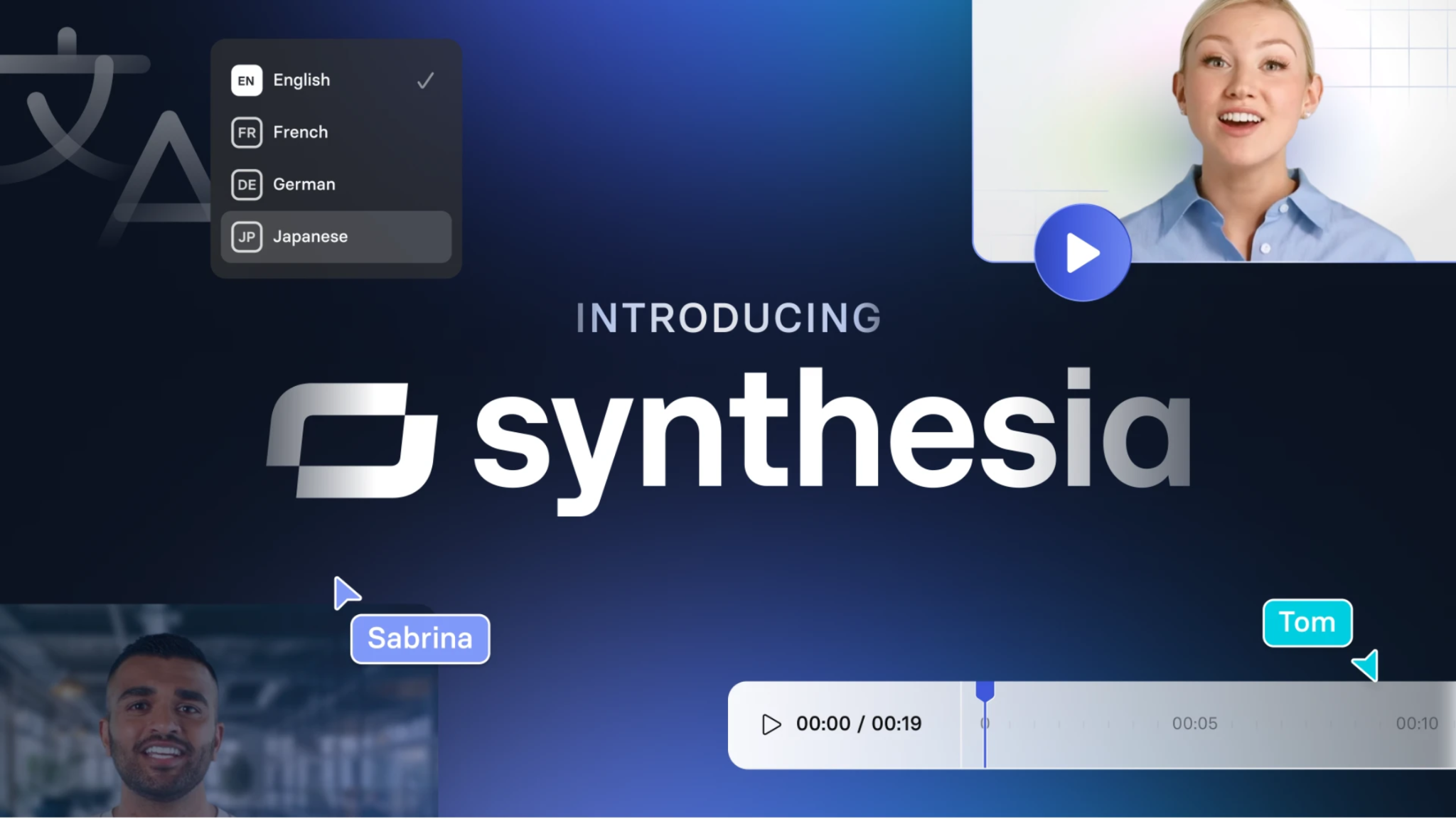
Synthesia is concerned with making business videos without the need for a camera, a studio, or even a video production crew. This tool generates high-quality business videos based on a screenplay or document, transforming a process which once took many days to complete into one which can be completed in the span of just a few hours.
This has made the tool very popular for use in corporate training and employee onboarding and other areas in which the intention is not necessarily to create a visually stunning film but rather a consistent piece of video content.
10. Gamma
Gamma completes the list as one of the quickest methods to get your initial raw concept transformed into high-quality visual content. No need for manual formatting of slides or creating your own web page, as you can simply give Gamma some notes and let it generate the presentation, document or website for you automatically.
This saves a great deal of time on formatting in advance of a meeting or a release, and proves to be particularly helpful for people who need to make their content presentable in no time, but do not want to hire a designer for each and every presentation.
How We Chose These Tools
This list does not depend on any marketing claims and paid placements. Each of these tools has been selected because it addresses a particular problem in a good way instead of trying to be a jack-of-all-trades that does nothing in a perfect way. Moreover, each of these tools has been recognized by those who have to use it on a daily basis. They can be marketing professionals, developers, researchers, or even just startup founders who need to speed up their work with a smaller team.
To find more detailed information about such comparisons of the tools for each of the categories of AI software, you can go to AIOverview, which has the most extensive comparison of different tools on its website. Due to the rapid development of the AI software market, it is a much better idea to refer to a resource that is frequently updated rather than using an outdated list.